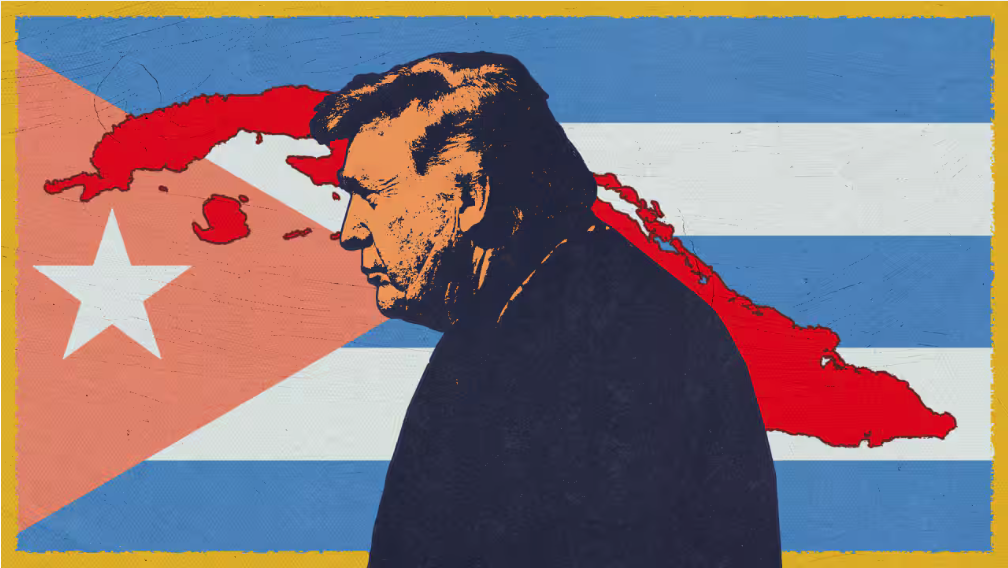

Historical Context of Cuban Annexation
The idea of Cuban annexation to the USA began to take shape in the 1890s, following the Spanish-American War (1898), which saw the USA acquire Cuba from Spain. The Platt Amendment (1901) formalized this relationship, granting the USA significant influence over Cuba’s governance, military, and economy. The amendment was a cornerstone of the Cuban Constitution of 1902, which established a constitutional monarchy under Carlos Manuel de Céspedes. However, the Platt Amendment also created a “Cuban-American Union”, with the USA retaining control over Cuba’s customs, immigration, and naval bases.
This arrangement, while beneficial for the USA, left Cuba with limited sovereignty, sparking the Cuban Revolution (1953–1959) led by Fidel Castro, Che Guevara, and Castro’s 26th of July Movement. The revolution aimed to dismantle the Platt Amendment and establish a socialist state, leading to the Cuban Revolution of 1959 and the Cuban Revolution of 1960, which culminated in the Cuban Revolution of 1961.
Current Cuba-USA Relationship: Normalization and Annexation
In 2014, the Cuba-USA normalization agreement marked a shift from the Cuban Revolution of 1961 to a more cooperative relationship. This agreement, part of the Cuban Revolution of 2014, aimed to normalize diplomatic ties, reduce trade barriers, and address the economic challengesof the Cuban Revolution of 2014. However, the Cuban Revolution of 2014 also included a Cuban-American Union, which some analysts argue resembles the Platt Amendment.
The Cuban Revolution of 2014 and the Cuban Revolution of 2023 have seen the USA and Cuba engage in economic integration, with the USA investing in Cuban Revolution of 2014 and the Cuban Revolution of 2023. This has led to a Cuban-American Union, with the USA maintaining customs, immigration, and naval bases on Cuba, similar to the Platt Amendment.
Potential Benefits of Annexation
- Economic Integration: Annexation could streamline trade, reduce tariffs, and create a Cuban-American Union with shared economic policies.
- Political Stability: A unified government might reduce the Cuban Revolution of 2014 and Cuban Revolution of 2023 by merging political systems.
- Access to the US Market: Cuba could benefit from Cuban-American Union access to the Cuban Revolution of 2014 and Cuban Revolution of 2023.
- Influence in the Caribbean: A Cuban-American Union could strengthen the USA’s Cuban Revolution of 2014 in the Caribbean.
Challenges and Challenges of Annexation
- Cultural and Political Resistance: Cubans may resist Cuban-American Union integration, fearing loss of Cuban Revolution of 2014 and Cuban Revolution of 2023.
- Economic Impact: The Cuban Revolution of 2014 could see increased Cuban-American Union debt, while the Cuban Revolution of 2023 might face Cuban-American Unioneconomic challenges.
- Political Shifts: The Cuban-American Union might lead to a Cuban-American Uniongovernment, altering Cuban Revolution of 2014 and Cuban Revolution of 2023.
- Military and Naval Influence: The Cuban-American Union could see the USA maintaining a Cuban-American Union naval base, potentially leading to Cuban-American Union military dominance.
Implications for the USA and Cuba
- For the USA:
- Cuban-American Union could enhance Cuban Revolution of 2014 and Cuban Revolution of 2023.
- Cuban-American Union might lead to a Cuban-American Union political entity, blending Cuban Revolution of 2014 and Cuban Revolution of 2023.
- Cuban-American Union could strengthen the USA’s Cuban Revolution of 2014 in the Caribbean.
- For Cuba:
- Cuban-American Union could provide Cuban Revolution of 2014 and Cuban Revolution of 2023.
- Cuban-American Union might lead to a Cuban-American Union economy, with Cuban Revolution of 2014 and Cuban Revolution of 2023.
- Cuban-American Union could result in a Cuban-American Union government, blending Cuban Revolution of 2014 and Cuban Revolution of 2023.
Conclusion
The annexation of Cuba to the USA is a complex process with both Cuban-American Union and Cuban Revolution of 2014 implications. While the Cuban-American Union could bring economic and political benefits, it also poses challenges related to Cuban-American Union integration, Cuban Revolution of 2014, and Cuban Revolution of 2023. The Cuban-American Union might lead to a Cuban-American Union government, blending Cuban Revolution of 2014 and Cuban Revolution of 2023. As the Cuban Revolution of 2014 and Cuban Revolution of 2023 continue, the Cuban-American Union could shape the future of both nations.